Buy indignez-vous.be ?
We are moving the project
indignez-vous.be .
Are you interested in purchasing the domain
indignez-vous.be ?
domain@kv-gmbh.de · 0541-91531010
Buy indignez-vous.be ?
When do you conjugate "avoir"?
The verb "avoir" is conjugated when talking about possession or to form compound tenses such as the passé composé. In these cases, "avoir" is conjugated according to the subject of the sentence. For example, "J'ai un chat" (I have a cat) or "Nous avons mangé" (We have eaten). **
How do you conjugate falloir?
The verb "falloir" is an impersonal verb, meaning it is only used in the third person singular. It is conjugated as "il faut" in the present tense, "il fallait" in the imperfect tense, and "il faudra" in the future tense. There is no need to conjugate it for different subjects, as it always remains in the third person singular form. **


Similar search terms for Conjugate Pair
Top-Angebote
Products related to Conjugate Pair:
-
Rimba Pinces à seins avec poids rechangeable (par pair)Accroche les Pinces à seins avec poids rechangeable (par pair) entre tes doigts et sens leur métal froid s’éveiller contre ta peau. Sensuel, non ? Le contact du métal noir intrigue, attire, promet une tension délicieuse. Ces accessoires signés Rimba transforment chaque geste en un jeu de précision41,99 €*Shipping: 0,00 €Secure redirect to the provider
-
Rimba Pinces à seins avec petit fouet cuir (par pair)Faites glisser doucement les Pinces à seins avec petit fouet cuir (par pair) sur votre peau et laissez le jeu commencer. Sensuel, non ? Le contact du métal et du cuir noir réveille immédiatement la curiosité. Ce duo signé Rimba marie fermeté et souplesse dans un équilibre exquis.Un accessoire de23,99 €*Shipping: 3,90 €Secure redirect to the provider
-
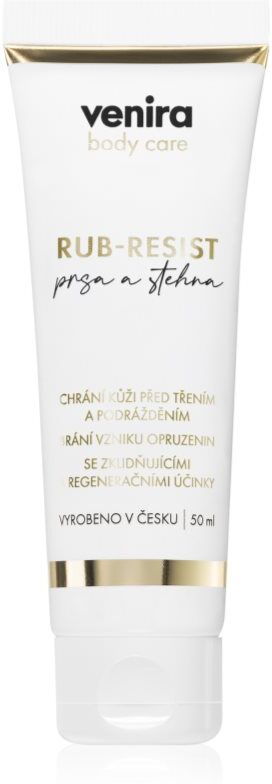
Venira Rub-resist pommade 50 mlVenira Rub-resist, 50 ml, Produits pour le buste et le décolleté pour femme, Composition du produit : produit végétalien vitamine E : nourrit la peau, lui confère une protection antioxydante contre les dommages causés par les radicaux libres, aide à lutter contre les vergetures, contribue à lisser la peau et à la rendre plus ferme et plus souple extrait de calendula : exerce une action apaisante et antioxydante, lutte contre les irritations, les rougeurs et la sécheresse cutanées, favorise la régénération de la peau8,30 €*Shipping: 3,45 €Secure redirect to the provider



-
How do you conjugate in Hebrew?
In Hebrew, verbs are conjugated based on the subject of the sentence and the tense of the action. There are different conjugation patterns for each tense (past, present, future) and for each subject (I, you, he/she/it, we, you all, they). The verb root remains the same, but the conjugation changes to match the subject and tense. Additionally, Hebrew verbs also change based on gender and number of the subject. Learning the conjugation patterns and practicing with different verbs is essential for mastering Hebrew verb conjugation. **
-
How do you conjugate French adjectives?
In French, adjectives must agree in gender (masculine or feminine) and number (singular or plural) with the noun they modify. To conjugate a French adjective, you need to add the appropriate ending to match the gender and number of the noun it describes. For example, to make the adjective "petit" (small) agree with a masculine singular noun, you would use "petit." But if the noun is feminine singular, you would use "petite." And for a masculine plural noun, you would use "petits," and for a feminine plural noun, you would use "petites." **
-
Can you help me conjugate avoir?
Sure! The verb "avoir" is conjugated as follows: - J'ai (I have) - Tu as (You have) - Il/Elle/On a (He/She/One has) - Nous avons (We have) - Vous avez (You have) - Ils/Elles ont (They have) **
-
How do you conjugate in French?
In French, verbs are conjugated to match the subject of the sentence, including the person (I, you, he/she, we, they) and the tense (present, past, future, etc.). To conjugate a regular verb in the present tense, you remove the infinitive ending (-er, -ir, -re) and add the appropriate ending for the subject (je, tu, il/elle, nous, vous, ils/elles). For example, for the verb "parler" (to speak), you would conjugate it as "je parle" (I speak), "tu parles" (you speak), "il/elle parle" (he/she speaks), "nous parlons" (we speak), "vous parlez" (you speak), "ils/elles parlent" (they speak). Irregular verbs have their own unique conjugation patterns that need to be memorized. **


How do you conjugate something life-threatening?
When conjugating something life-threatening, it is important to use appropriate language and tone to convey the seriousness of the situation. This can involve using strong verbs and descriptive language to emphasize the severity of the threat. It is also important to provide clear and concise information about the potential risks and consequences associated with the life-threatening situation. Additionally, it is crucial to offer guidance on how to address or mitigate the threat to ensure the safety and well-being of those involved. **
How do you conjugate the verb "essayer"?
To conjugate the verb "essayer" in French, you would follow the regular -er verb conjugation pattern. For example: - Je essaie (I try) - Tu essaies (You try) - Il/Elle essaie (He/She tries) - Nous essayons (We try) - Vous essayez (You try) - Ils/Elles essaient (They try) **
Top-Angebote
Products related to Conjugate Pair:
-
Rimba Pinces à seins "Sticks" (pair)Faites glisser lentement les Pinces à seins "Sticks" le long de votre peau. Sensuel, non ? Le métal capte la lumière, la tension monte, et tout devient plus intense. Ces accessoires signés Rimba transforment un simple contact en une caresse électrique, subtilement contrôlée.Design précis et allure25,99 €*Shipping: 3,90 €Secure redirect to the provider
-
Rimba Pinces à seins avec poids rechangeable (par pair)Accroche les Pinces à seins avec poids rechangeable (par pair) entre tes doigts et sens leur métal froid s’éveiller contre ta peau. Sensuel, non ? Le contact du métal noir intrigue, attire, promet une tension délicieuse. Ces accessoires signés Rimba transforment chaque geste en un jeu de précision41,99 €*Shipping: 0,00 €Secure redirect to the provider
-
Rimba Pinces à seins avec petit fouet cuir (par pair)Faites glisser doucement les Pinces à seins avec petit fouet cuir (par pair) sur votre peau et laissez le jeu commencer. Sensuel, non ? Le contact du métal et du cuir noir réveille immédiatement la curiosité. Ce duo signé Rimba marie fermeté et souplesse dans un équilibre exquis.Un accessoire de23,99 €*Shipping: 3,90 €Secure redirect to the provider
-
When do you conjugate "avoir"?
The verb "avoir" is conjugated when talking about possession or to form compound tenses such as the passé composé. In these cases, "avoir" is conjugated according to the subject of the sentence. For example, "J'ai un chat" (I have a cat) or "Nous avons mangé" (We have eaten). **
-
How do you conjugate falloir?
The verb "falloir" is an impersonal verb, meaning it is only used in the third person singular. It is conjugated as "il faut" in the present tense, "il fallait" in the imperfect tense, and "il faudra" in the future tense. There is no need to conjugate it for different subjects, as it always remains in the third person singular form. **
-
How do you conjugate in Hebrew?
In Hebrew, verbs are conjugated based on the subject of the sentence and the tense of the action. There are different conjugation patterns for each tense (past, present, future) and for each subject (I, you, he/she/it, we, you all, they). The verb root remains the same, but the conjugation changes to match the subject and tense. Additionally, Hebrew verbs also change based on gender and number of the subject. Learning the conjugation patterns and practicing with different verbs is essential for mastering Hebrew verb conjugation. **
-
How do you conjugate French adjectives?
In French, adjectives must agree in gender (masculine or feminine) and number (singular or plural) with the noun they modify. To conjugate a French adjective, you need to add the appropriate ending to match the gender and number of the noun it describes. For example, to make the adjective "petit" (small) agree with a masculine singular noun, you would use "petit." But if the noun is feminine singular, you would use "petite." And for a masculine plural noun, you would use "petits," and for a feminine plural noun, you would use "petites." **
Similar search terms for Conjugate Pair
-
Venira Rub-resist pommade 50 mlVenira Rub-resist, 50 ml, Produits pour le buste et le décolleté pour femme, Composition du produit : produit végétalien vitamine E : nourrit la peau, lui confère une protection antioxydante contre les dommages causés par les radicaux libres, aide à lutter contre les vergetures, contribue à lisser la peau et à la rendre plus ferme et plus souple extrait de calendula : exerce une action apaisante et antioxydante, lutte contre les irritations, les rougeurs et la sécheresse cutanées, favorise la régénération de la peau8,30 €*Shipping: 3,45 €Secure redirect to the provider
-
ROSE ET MARIUS UN RENDEZ-VOUS AVEC CÉZANNEExceptionnel diffuseur de parfum à plus d'un titre : sans alcool, sa formule exclusive à base d'huiles permet une durée de diffusion de minimum 3 mois ! Sa concentration exceptionnelle de 20% de parfum pur issu de la Haute Parfumerie optimise la diffusion du parfum dans l'air. Enfin, ce diffuseur est rechargeable.68,90 €*Shipping: 0,00 €Secure redirect to the provider
-
Can you help me conjugate avoir?
Sure! The verb "avoir" is conjugated as follows: - J'ai (I have) - Tu as (You have) - Il/Elle/On a (He/She/One has) - Nous avons (We have) - Vous avez (You have) - Ils/Elles ont (They have) **
-
How do you conjugate in French?
In French, verbs are conjugated to match the subject of the sentence, including the person (I, you, he/she, we, they) and the tense (present, past, future, etc.). To conjugate a regular verb in the present tense, you remove the infinitive ending (-er, -ir, -re) and add the appropriate ending for the subject (je, tu, il/elle, nous, vous, ils/elles). For example, for the verb "parler" (to speak), you would conjugate it as "je parle" (I speak), "tu parles" (you speak), "il/elle parle" (he/she speaks), "nous parlons" (we speak), "vous parlez" (you speak), "ils/elles parlent" (they speak). Irregular verbs have their own unique conjugation patterns that need to be memorized. **
-
How do you conjugate something life-threatening?
When conjugating something life-threatening, it is important to use appropriate language and tone to convey the seriousness of the situation. This can involve using strong verbs and descriptive language to emphasize the severity of the threat. It is also important to provide clear and concise information about the potential risks and consequences associated with the life-threatening situation. Additionally, it is crucial to offer guidance on how to address or mitigate the threat to ensure the safety and well-being of those involved. **
-
How do you conjugate the verb "essayer"?
To conjugate the verb "essayer" in French, you would follow the regular -er verb conjugation pattern. For example: - Je essaie (I try) - Tu essaies (You try) - Il/Elle essaie (He/She tries) - Nous essayons (We try) - Vous essayez (You try) - Ils/Elles essaient (They try) **
* All prices are inclusive of VAT and, if applicable, plus shipping costs. The offer information is based on the details provided by the respective shop and is updated through automated processes. Real-time updates do not occur, so deviations can occur in individual cases. ** Note: Parts of this content were created by AI.